





Primary energy
Approved document L: Conservation of fuel and power, 2021 edition incorporating 2023 amendments, defines primary energy as: ‘Energy, from renewable and non-renewable sources, that has not undergone any conversion or transformation process.’
BREEAM UK New Construction, Non-domestic Buildings (United Kingdom), Technical Manual, SD5078: BREEAM UK New Construction 2018 3.0, published by BRE Global Limited, defines primary energy as: ‘Energy from fossil fuel and renewable sources that has not undergone any conversion or transformation process.’
It defines ‘primary energy consumption’ as: ‘…the primary energy content of delivered fuel or other energy sources. It takes account of the energy associated with fuel production, energy transformation (e.g., electricity generation) and distribution processes, including losses, in addition to the inherent energy content of the fuel or energy source.’
The Home Quality Mark One, Technical Manual SD239, England, Scotland & Wales, published by BRE in 2018 defines 'primary energy' as: 'Energy from fossil fuel and renewable sources that has not undergone any conversion or transformation process. Primary energy is transformed by the means of energy generation used and its transmission to the building.'
'Climate Emergency Design Guide: How new buildings can meet UK climate change’, published by The London Energy Transformation Initiative (LETI) in January 2020 defines primary energy as: '...energy that has not undergone any conversion or transformation. As a common example, each kWh of grid electricity used in a UK building requires 1.5 kWh of primary energy; this accounts for the energy required for power generation (including fuel extraction and transport to thermal or nuclear power stations), transmission and distribution.'
Making Mission Possible - Delivering A Net-Zero Economy, published by the Energy Transitions Commission (ETC) in September 2020, defines primary energy consumption as: ‘Crude energy directly used at the source or supplied to users without transformation – that is, energy that has not been subjected to a conversion or transformation process.’
The RIBA Passivhaus Overlay, published by the RIBA in 2022, defines Primary Energy (PE) as: ‘Energy found in natural resources which has not yet been subject to a human engineered conversion process.’
It defines Primary Energy Renewable (PER) as: ‘Energy which is generated by renewable resources while also recognising the impact of other factors such as storage losses and climate data.’
[edit] Related articles on Designing Buildings
Featured articles
Check out some of the best features and news from Designing Buildings as well as key stories from around the web.
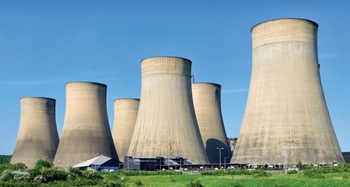
The heritage of nuclear and conventional power stations.
New measures to stop people being ripped off

Government to protect families from cowboy builders and aggressive bailiffs.

New Futurebuild showcase brings an innovation-first approach.
National Planning Policy Framework
Understanding the 2026 changes.
ECA's public affairs priorities

Member consultation opens to shape priorities for 2027 to 2030.

Dutyholder responsibilities from 1 July 2026.
Where performance meets practice

The Building Envelope Stage at UKCW Birmingham.

CIAT publishes briefing on planning reforms.
Leaders in Learning for Practice Network

Call for conservation leaders in learning to register interest in new network.
The importance of early engagement

Construction lessons from the Trillium HealthWorks Experience Centre.
Mayors are to be given planning call in powers

Mayors across England will be able to make the most important planning decisions.

The Master Builder: William Butterfield and his times. Book review.